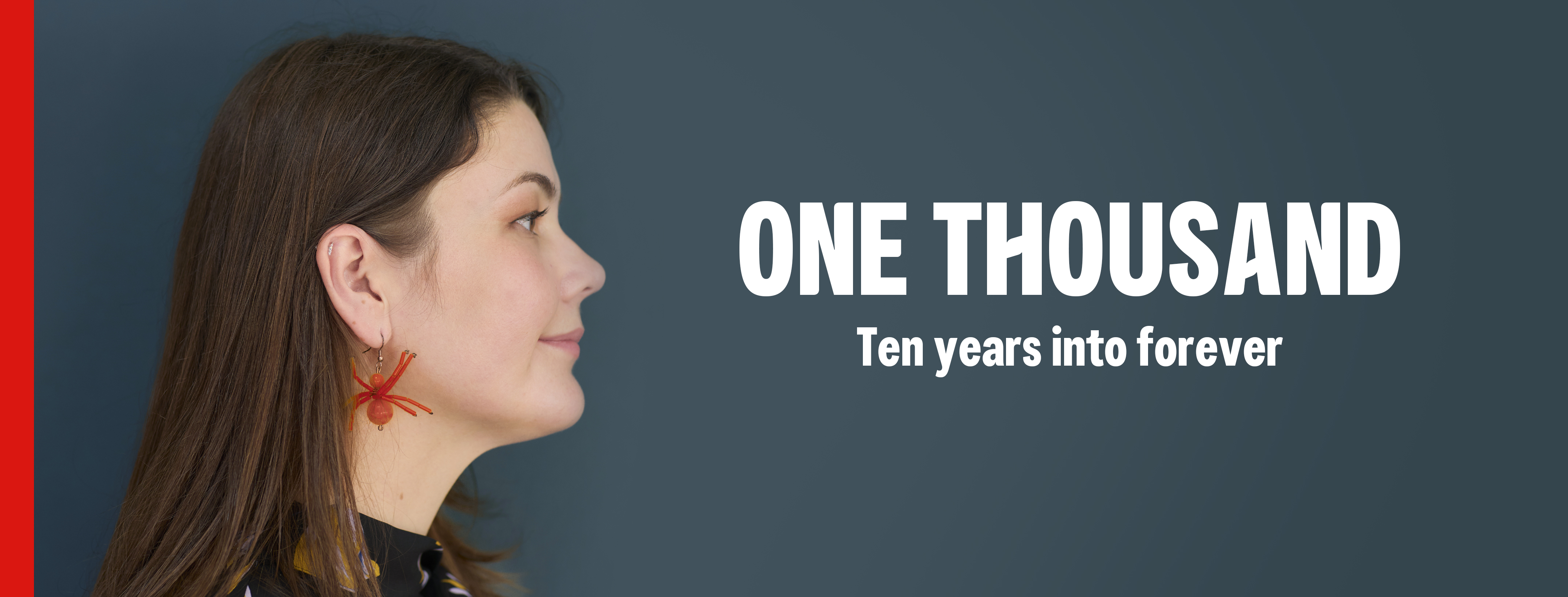
Ten years of investing in Australia’s future
The premise of Westpac Scholars Trust was simple: 100 scholarships a year, supporting Australians driving positive change, forever.
Ten years on, as we mark 1,000 scholars, the Trust reflects how Westpac thinks about building Australia’s future through sustained investment in people, partnerships and education.
The 12 scholars profiled in One Thousand magazine are exceptional, but they’re not exceptions. They are part of a much larger ecosystem: 1,000 extraordinary people who think deeply, work collaboratively and contribute over time. What unites them is not discipline or background, but how they lead: with curiosity, rigour and commitment to something larger than themselves.
They are tackling youth homelessness and disability care, advancing solar energy and coral reef restoration, predicting disease outbreaks and organ transplant rejection, building migrant entrepreneurship and strengthening Australia’s expertise on China. Their work is building the capability Australia needs to navigate an uncertain future.
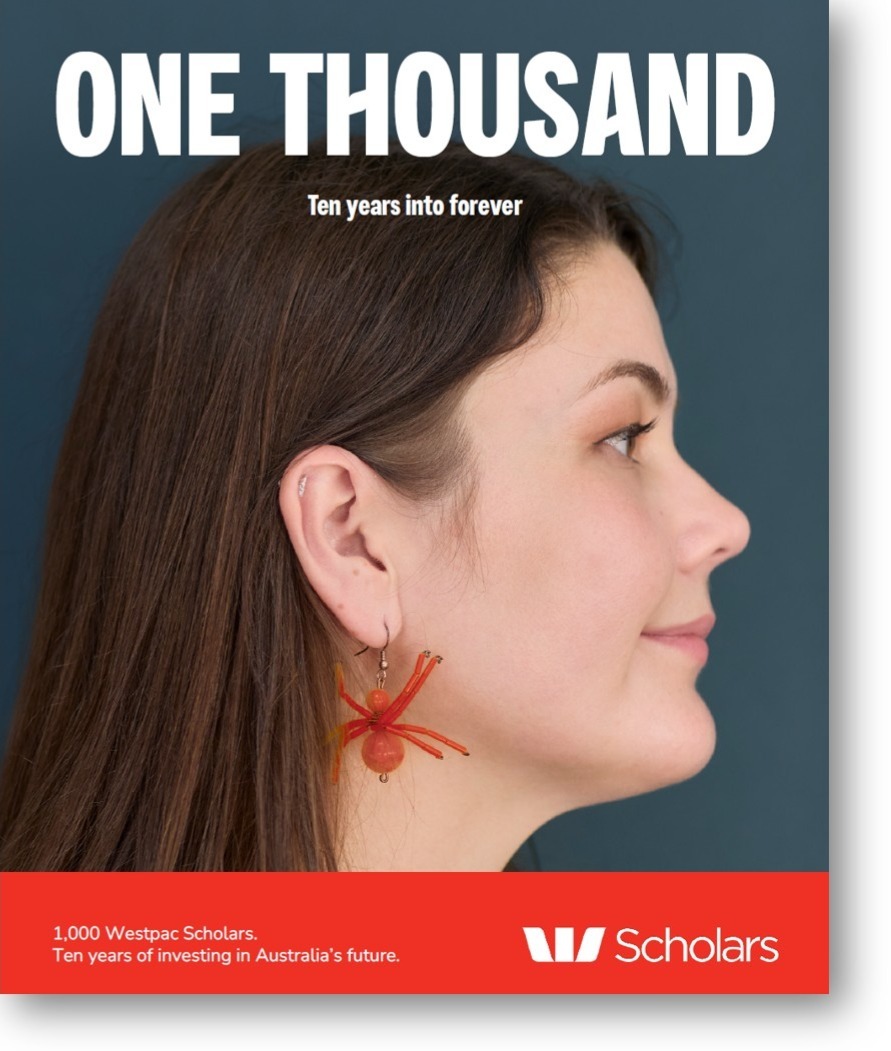
The Magazine
Step inside One Thousand and explore more stories behind the milestone.
The long defence
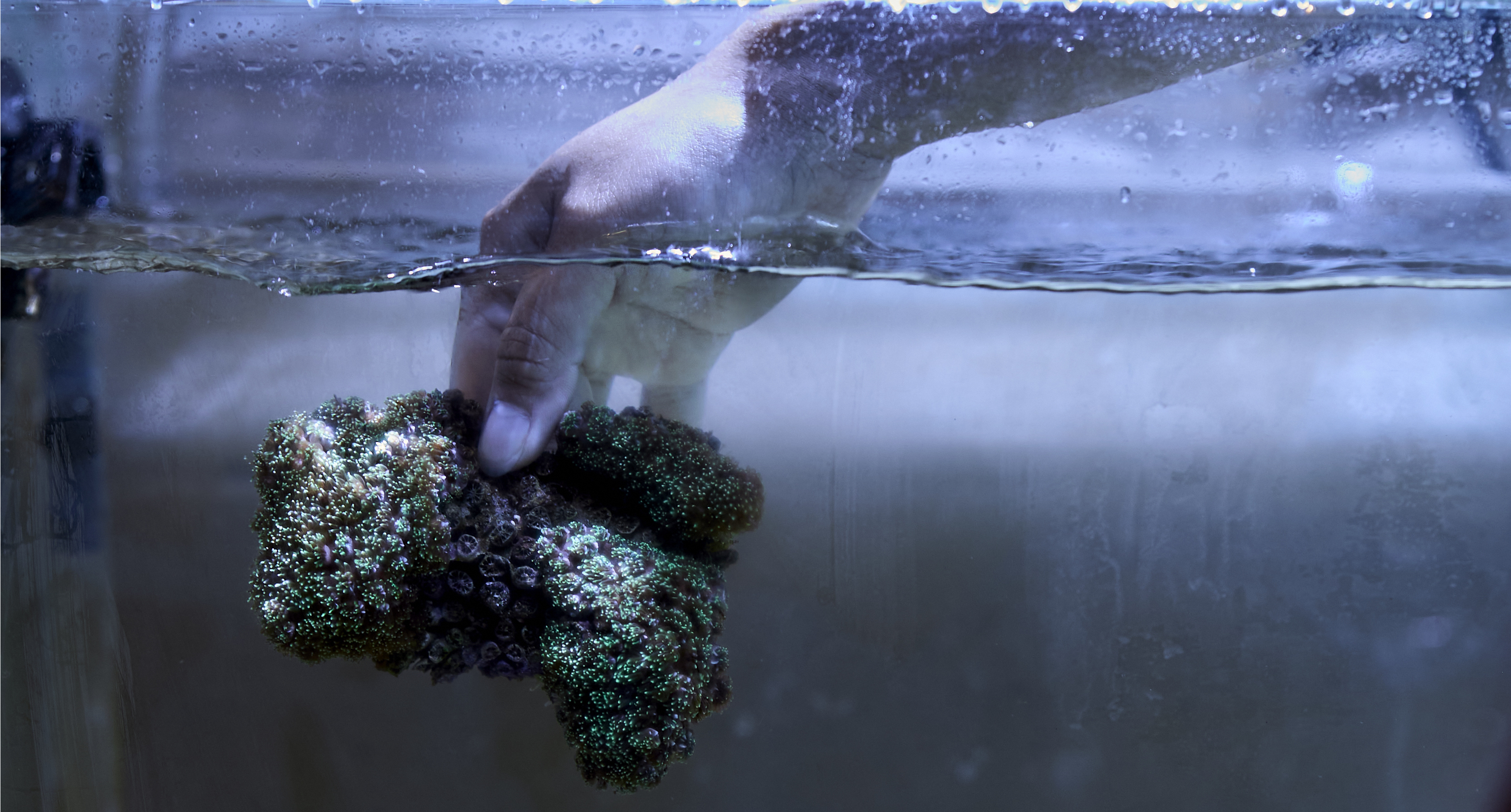
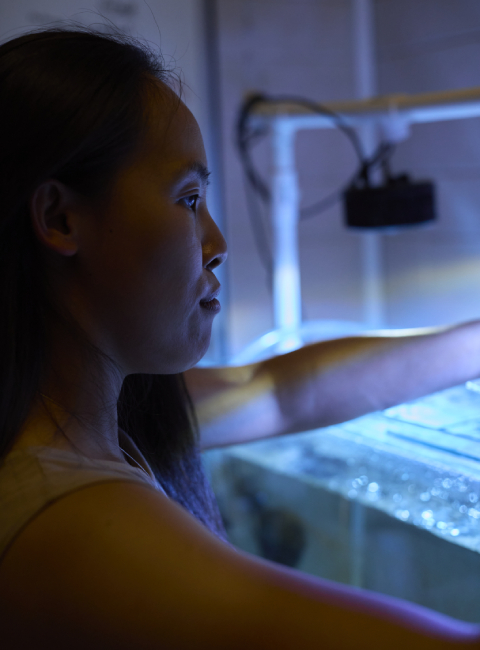
Some systems can’t be rebuilt quickly once they collapse. Coral reefs take centuries to recover. Bushfire-ravaged landscapes lose biodiversity that may never return. The transition to clean energy determines whether future generations inherit liveable conditions or an accelerating crisis.
This is the long defence: sustained, patient work to protect the systems and ecosystems that underpin our future. It’s not short-term crisis management. It’s holding the line against pressures that won’t ease in our lifetime. The three scholars profiled here are doing exactly that.
THE LONG DEFENCE
Learning to live with fire
THE LONG DEFENCE
Rewriting the rules of resilience
THE LONG DEFENCE
Engineering at the interface
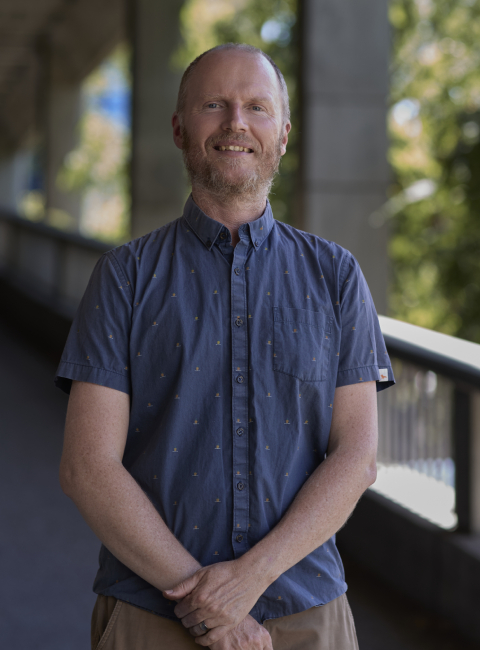
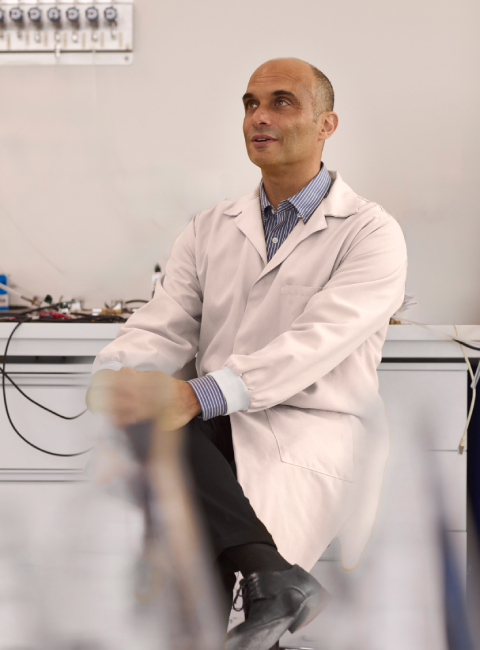
Remember disinfecting your hands after touching door handles during Covid-19? Antonio Tricoli’s research might find the solution to one of medicine’s oldest problems: how to stop dangerous pathogens from spreading.
Building from the inside
Systems designed without input from the people they’re serving often miss the mark. Real equity means centering the voices of those who know where the system breaks, and what actually works on the ground.
This is building from the inside: solutions designed by people who’ve navigated the systems themselves and have seen how structures fail those they’re meant to support. It’s leadership, shaped by lived experience.
BUILDING FROM THE INSIDE
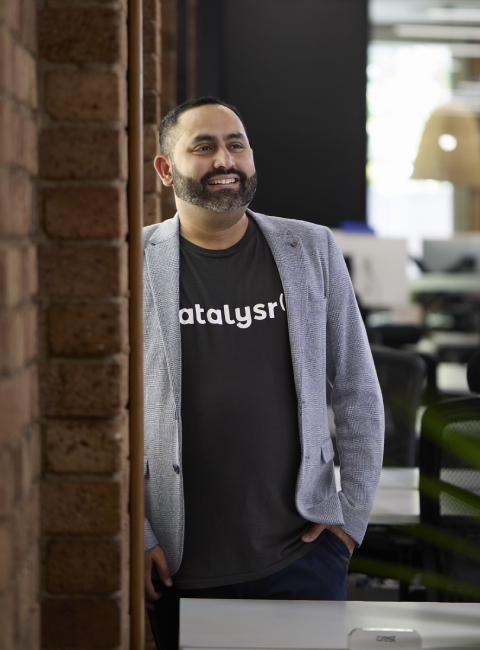
Building confidence, not just platforms
BUILDING FROM THE INSIDE
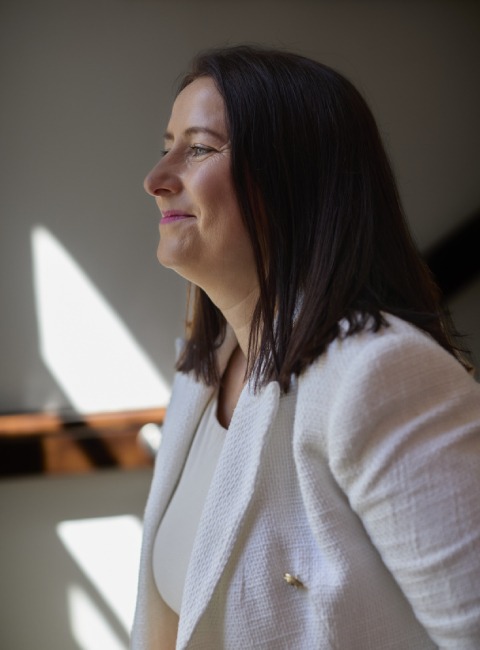
Reframing the narrative of the migrant workforce
BUILDING FROM THE INSIDE
Ending homelessness starts with believing we can.
For two decades, Carla Raynes watched young people experiencing homelessness fall through the same gaps in the system. She knew that without stable housing, nothing else was possible. So alongside her founding team she built the Cocoon.
Early signals
Many of the challenges we face can be avoided, or at least significantly reduced, when we’re able to identify them early.
Catching these early signals is about more than prediction. It’s where data, foresight and systems thinking converge: identifying patterns that others overlook and reading the signs embedded in biology or behaviour.
The following scholars have made careers from catching what others miss — detecting disease, predicting risk and building systems that intervene early, before a concern becomes a crisis.

EARLY SIGNALS
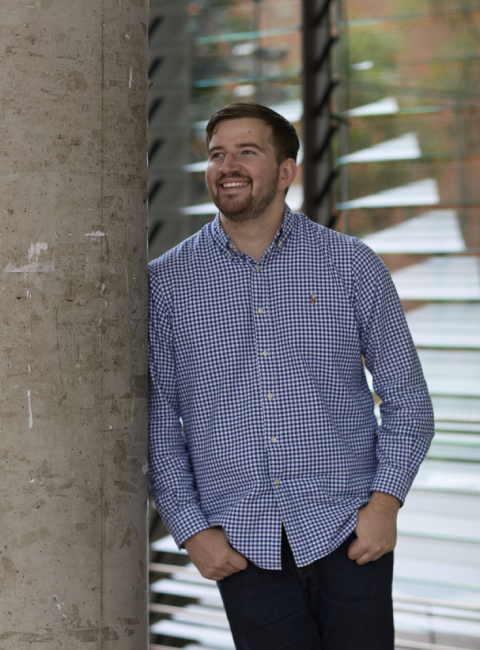
When certainty meets care
EARLY SIGNALS
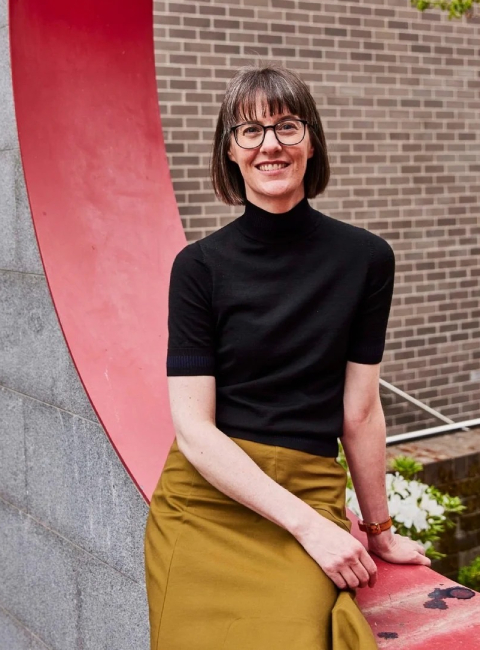
Finding the middle ground
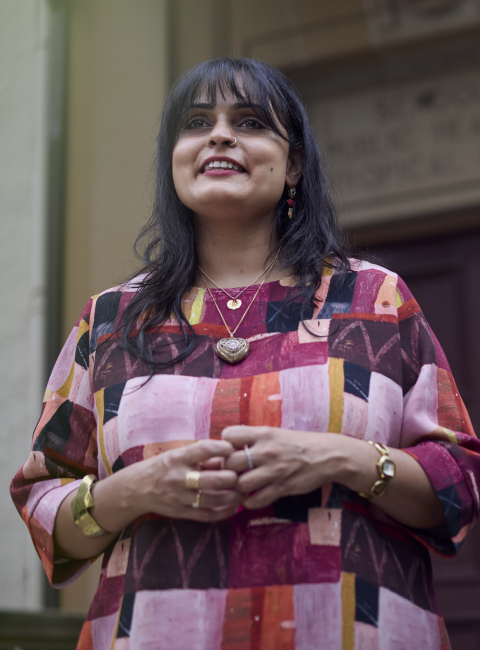
EARLY SIGNALS
The epidemiologist working herself out of a job
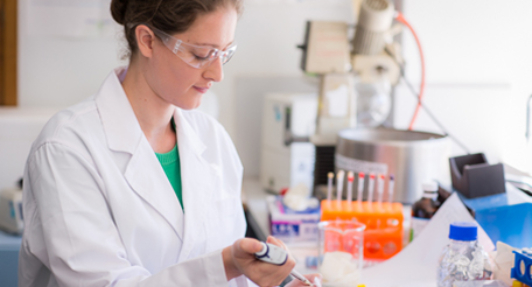
From lab to life
Research builds on research. Foundational work matters, even when it takes years to reach application. Knowledge accumulates. Ideas move forward in ways that aren’t always direct.
But some researchers build their work around a fundamental question: who will use this, and how? This is from lab to life: research that refuses to stop at discovery — scientists turning breakthroughs into diagnostics, treatments, materials and tools the world can actually use.
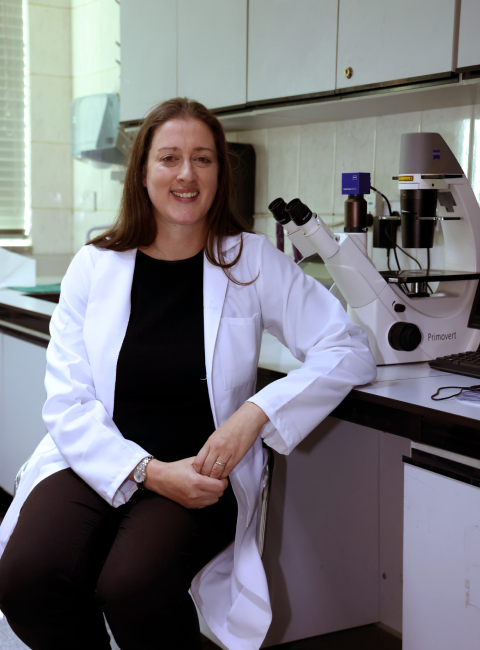
EARLY SIGNALS
The chemist making the invisible visible
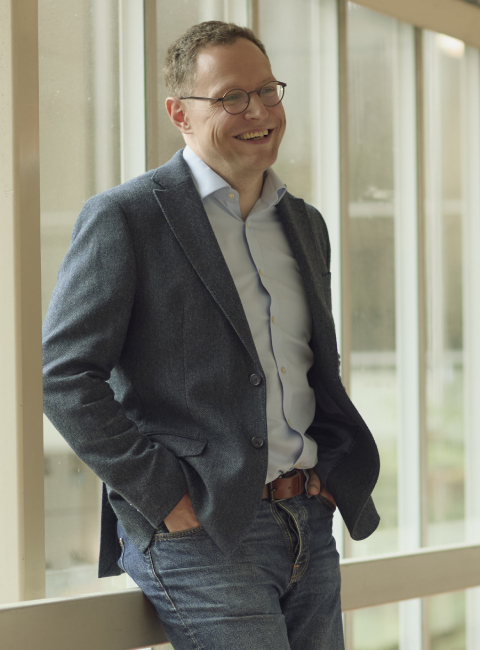
EARLY SIGNALS
It’s all just waves
EARLY SIGNALS
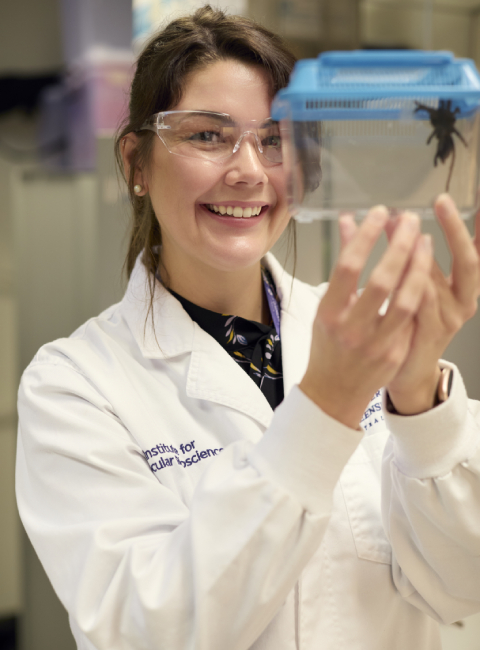
The scientist turning fear into cure
Looking forward
One Thousand is a marker of momentum.
The next decade will bring new scholars, new challenges and new forms of leadership. What won’t change is the commitment to back people with the courage to lead, the generosity to collaborate and the determination to turn ambition into action.
Their ideas are taking root in labs, communities, classrooms and policy rooms. Their networks are deepening. Their influence is growing in ways we are only beginning to see. When you invest in people, impact emerges in ways you cannot plan for.
We are ten years into forever, and Australia’s future is being shaped, one scholar at a time.