When certainty meets care
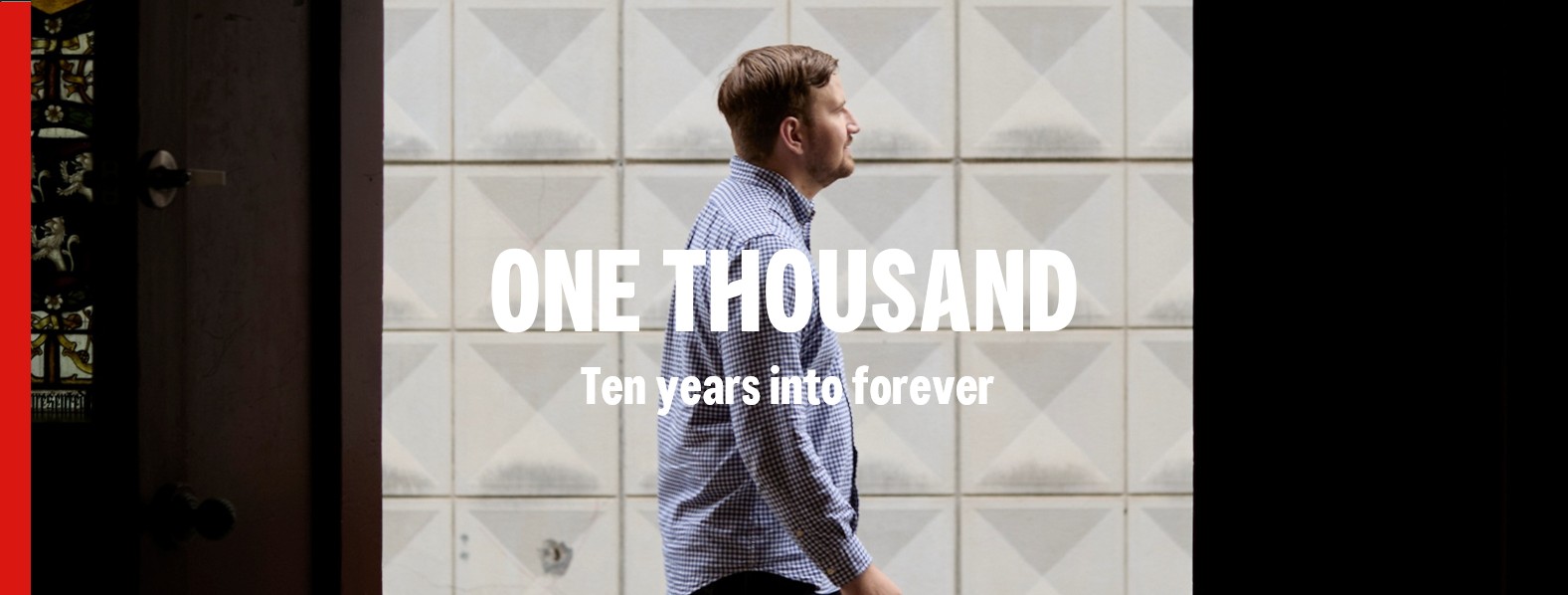
Harry Robertson is using AI to build tools that reduce the risk of organ transplant failure. By offering clinicians data-driven certainty, he’s able to decrease the risk involved in how transplants are managed.
In 2024, Harry witnessed a moment that clarified everything. A transplant patient came in very sick. The clinician was convinced she needed a biopsy of her transplanted kidney, but the patient was terrified. Biopsies aren’t a minor procedure. They require weeks off work, time in hospital and result in significant discomfort. The first biopsy came back fine, but the doctor wasn’t satisfied. He recommended a test, derived from data collected from thousands of patients, that could detect organ rejection via a blood test. It came back positive. As a result, she had a second biopsy, which raised the alarm. Without proper diagnosis and treatment, the patient would have received a terminal diagnosis.
‘Being able to take a bit of blood and inform the need for something, especially a procedure patients don’t like such as a biopsy, using big sets of data seemed fundamentally different to the way we’re doing medicine,’ said Harry.
For Harry, that difference isn’t abstract. ‘Growing up, my father had the coolest job.’ As a transplant coordinator, Harry’s dad was responsible for calling patients to tell them an organ had become available. He often spent years building a relationship with these patients. When the call finally came, Harry could hear it: very ill individuals who’d been given a second chance at life crying with joy down the phone.
As he got older, Harry began to understand the sobering reality that transplants don’t always work out. Families or friends give kidneys to loved ones and sometimes those kidneys are rejected. That understanding shaped the work he’s building now.
In 2024, according to the Australian Donation and Transplantation Activity Report, there were around 1,800 Australians on the organ transplant waitlist. Each year, between 30 and 60 people die while waiting. For those who do receive a transplant, a 2021 study reports that five-year kidney graft survival sits at 83 per cent for deceased donors and 91 per cent for living donors. But rejection remains a persistent risk, reported in around 14 per cent of recipients in multi-year cohort studies.
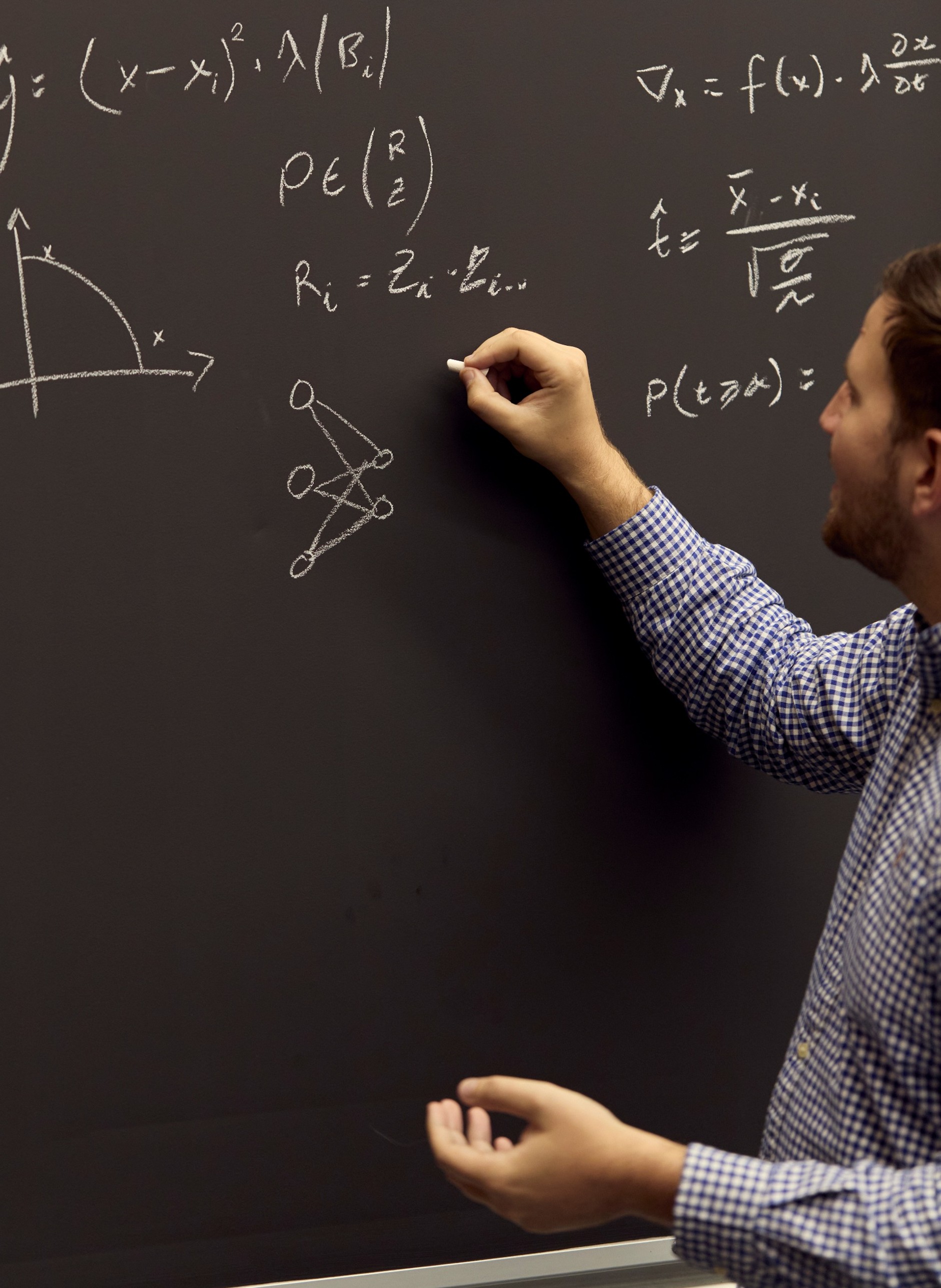
The current gold standard for detecting transplant rejection from blood takes seven days and costs around $3,000. It involves genome sequencing, an approach that’s thorough but slow. Early in his research, collaborators made it clear to Harry that seven days is far too long. Clinical decisions need to happen in three hours, not nearly a week later.
So Harry excluded all solutions that would take longer than three hours. His approach is based on the same PCR technology used for Covid-19 tests: fast, affordable and accurate. It’s not about replacing what clinicians do. It’s about giving them better tools to do it.
Harry’s AI tool recently identified a case from 2014 where inflammation was present in the 3,831st microvessel in a biopsy sample. Had that inflammation been found at the time, an earlier diagnosis may have resulted in a different, more successful, patient outcome. That’s where AI can shine. ‘We can’t expect humans to spend their days counting 3,831 microvessels and then the number of immune cells within each of those vessels,’ Harry says. ‘That’s going to burn somebody out very quickly.’
![Quote: We need to be evaluating these [AI] models as tools, not as intelligent systems ready to overthrow the healthcare system.](/content/dam/public/wsch/images/Zine/wsch_articlei_harry-robertson-quote_400x289.jpg)
One of the problems Harry is contending with is how often rejection gets misdiagnosed. Pathologists disagree on whether a biopsy shows rejection over 50 per cent of the time. This is not medical malpractice or mistaken diagnosis; the way rejection is scored is subjective. According to Harry, if AI can act as a safety net, it could provide valuable support to the entire pathology industry.
But Harry is keen not to overstate the influence of AI on medicine. He grew up with both parents working as nurses and his partner is a nurse. He’s spent time in hospital himself, and he remembers the doctors who came to check on him. ‘I loved it when the doctor came to see me,’ he says. ‘This work isn’t about replacing that. It’s about giving clinicians tools that let them be more certain when they walk into a room.’
Collaboration in this space is complicated. Patient data is ethically sensitive. The definitions around what an AI model is, and what risks it carries, are still being worked out. And the way models are currently evaluated, based on how well they predict outcomes, isn’t necessarily the right measure. A clinician might see what the AI recommends and decide the patient is too unwell for another round of tests. The AI reads that as an error. But it’s not; it’s hard-won judgment.
‘We need to be evaluating these models as tools, not as intelligent systems ready to overthrow the healthcare system,’ Harry says.
In the future, Harry hopes AI in medicine is as uncontroversial as an MRI. In the meantime, he’s building tools that won’t replace doctors, but they might give a pathologist a second set of eyes. They might mean fewer biopsies for people who can’t afford the time off. They might also catch the inflammation in the 3,831st microvessel, before it’s too late.
Backed by Westpac Scholars Trust
The Westpac Future Leaders Scholarship provided Harry with salary support and the flexibility to pursue research at the intersection of data science and transplant medicine. It gave him time to take a big swing at something he believes will fundamentally improve Australia. And when a fellow scholar challenged him to think beyond publication and consider intellectual property and commercialisation, the scholarship had already given him the foundation to pivot.
One Thousand Magazine
Step inside One Thousand and explore more stories behind the milestone.