The epidemiologist working herself out of a job
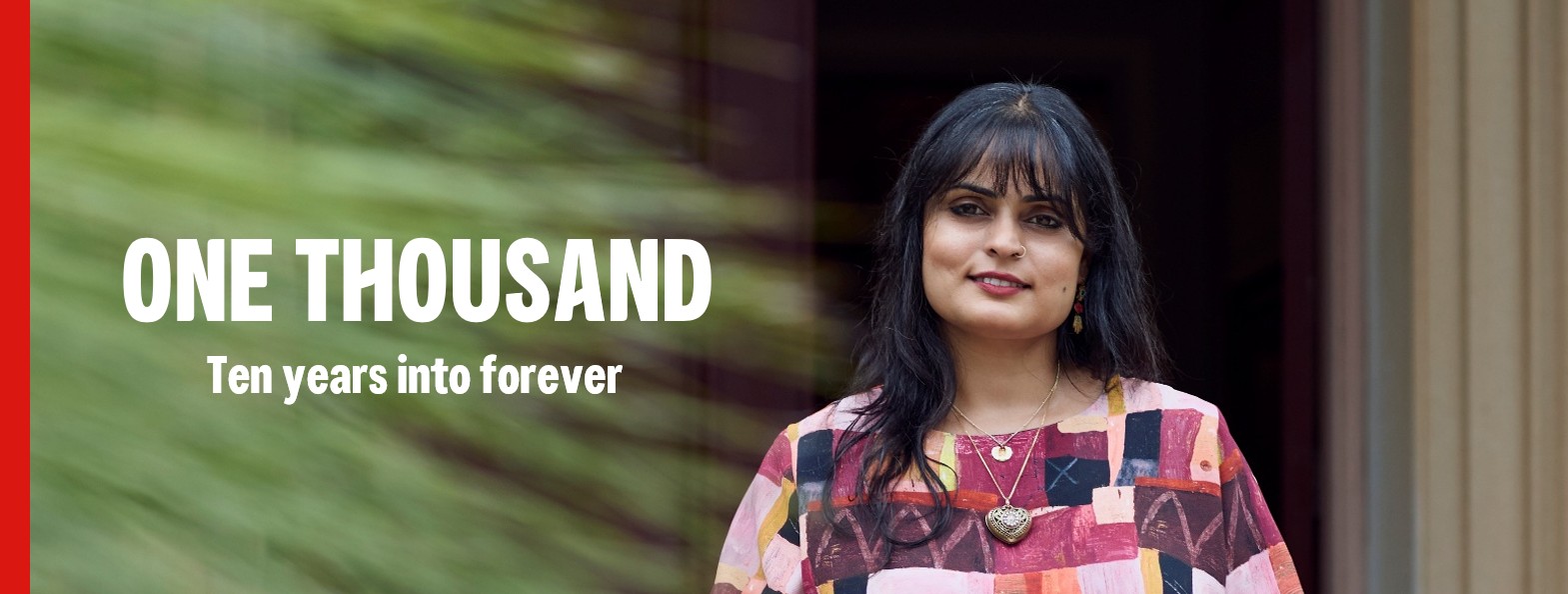
From the pandemic response in Papua New Guinea to strengthening Australia’s regional health security, Professor Meru Sheel’s work is driven by a simple idea. The safest future is one built on equity, evidence and strong local systems. And if she succeeds, her job may one day no longer be needed at all.
In May 2020, as Covid-19 began to tighten its grip on the world, Meru Sheel was travelling to Papua New Guinea to support the country’s pandemic response. From the outside, the public health advice was clear — stay home, isolate, protect yourself and others. However, Meru could see the challenges with this approach in PNG. In crowded, multi-generational households across the Pacific and South Asia, isolation ranged from difficult to impossible. Policies designed for wealthy Western countries were being applied in contexts where they simply could not work.
The consequences of this disconnect were profound. The Covid-19 pandemic pushed an estimated 70 million people globally into extreme poverty, while also disrupting routine immunisation and disease surveillance systems. For Meru, an infectious diseases epidemiologist and Professor of Infectious Diseases and Global Health at the University of Sydney, this was a stark confirmation of what she had seen for years; global health systems were fragile long before the world’s attention turned to Covid-19.
Meru had worked across outbreak responses in Australia and the Asia-Pacific, from Cambodia and Samoa to India, Bangladesh and Papua New Guinea. Covid-19 did not create new weaknesses in global health systems, it exposed the ones that were already there — particularly the risks of applying one-size-fits-all solutions to vastly different social and economic realities.
During the pandemic, Meru supported vaccine rollout efforts across Papua New Guinea and the Pacific, repeatedly advocating for equitable access and locally informed decisionmaking. She saw first-hand how blunt public health measures failed communities and how much difference good data could make. ‘If we had good data,’ she says, ‘we would have been better at identifying high-risk groups, not just physiologically, but through social determinants as well.’
The stakes of getting this right are high. In 2023 alone, the World Health Organization (WHO) reported 10.3 million measles cases worldwide, a 20 per cent increase from the year before. These outcomes underscore how quickly hard-won public health gains can be reversed when systems are overwhelmed or under-resourced.
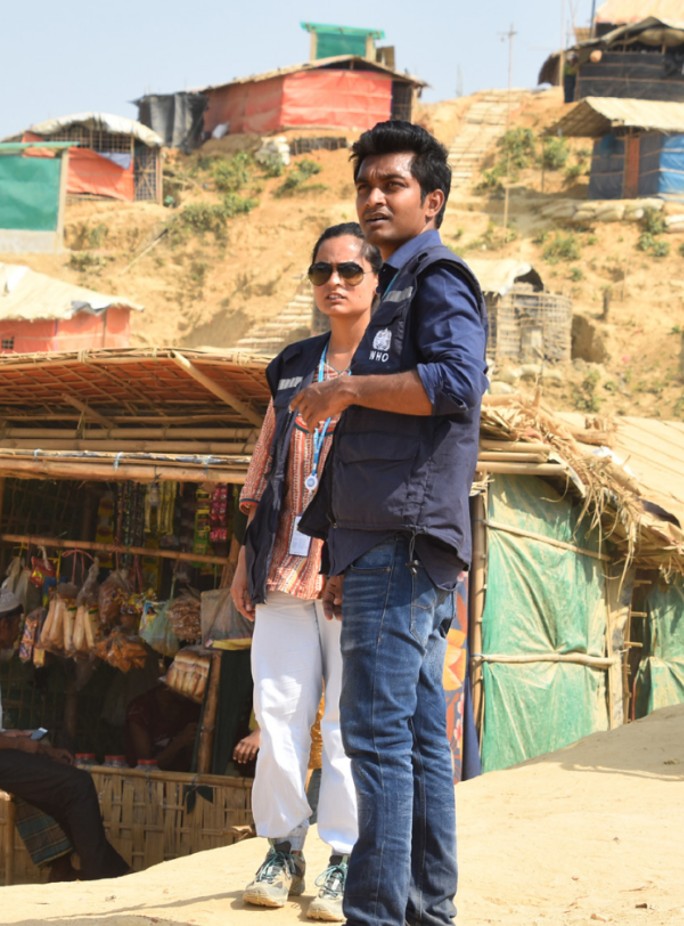
Meru’s career, while formidable on paper, has been anything but linear.
‘My whole career has been a zig-zag,’ she says. As a young PhD student from India, she doubted her place in science after repeated failed experiments. A supervisor’s reminder — that negative results are still results — became a formative lesson in resilience, one that continues to shape her work whether she is developing vaccines or responding to health crises in real time.
At the heart of Meru’s approach are the dissemination meetings she runs across the region. Gatherings where frontline health workers, government officials and community leaders see their lived experience reflected back in evidence. ‘If the doctors or nurses start crying, it means your work has touched a nerve. That they can see the value in what you’re doing.’ These moments of recognition are often where lasting policy change begins, grounded not in distant boardrooms but in the realities of people working on the ground.
Now leading the Infectious Diseases, Immunisation and Emergencies Group at the University of Sydney, Meru also serves on WHO committees, including the Immunization and Vaccines-related Implementation Research Advisory Committee, which looks at evidence for global vaccine policy.
Her work matters deeply for Australia. As a nation in the Asia-Pacific region, Australia’s health security is inseparable from the strength of health systems in neighbouring countries. Pandemics do not respect borders, and modelling shows that a severe influenza pandemic alone could cost the global economy trillions of dollars if preparedness and response capabilities are weak.
Meru has seen how technically strong outbreak responses can falter when they scale.
‘Technical skills alone aren’t enough,’ she says. ‘You need governance, coordination and leadership — the ability to bring people together around a shared response.’
This fragility is reflected in the Global Health Security Index, where the global average preparedness score sits at just 38.9 out of 100, well below what is needed to respond effectively to future pandemics.
This is the future Meru is working towards, one where outbreaks are detected earlier, responses are fairer and countries have the local capability to protect their own communities. In that future, success looks like making external expertise largely redundant. ‘It’s one of the few professions where real progress means helping build systems so strong that our role is no longer required,’ she says. ‘That’s how you know things are getting better.’
For now, Meru is focused on building that capability by mentoring the next generation of epidemiologists and public health leaders across the region. Recently, a message arrived from Fiji; a young woman she mentors had been accepted to present at a major international conference. Meru responded with congratulations, encouragement and a burst of celebratory emojis. These moments, the transfer of knowledge and confidence, are the real markers of impact.
Backed by Westpac Scholars Trust
The Westpac research provided Meru with salary support and the flexibility to pursue operational research in health emergencies across the Asia-Pacific. When Covid-19 hit and she needed to pause her research to deploy to Papua New Guinea, the fellowship adapted, allowing her to respond in real time rather than being constrained by rigid research timelines.
One Thousand Magazine
Step inside One Thousand and explore more stories behind the milestone.